

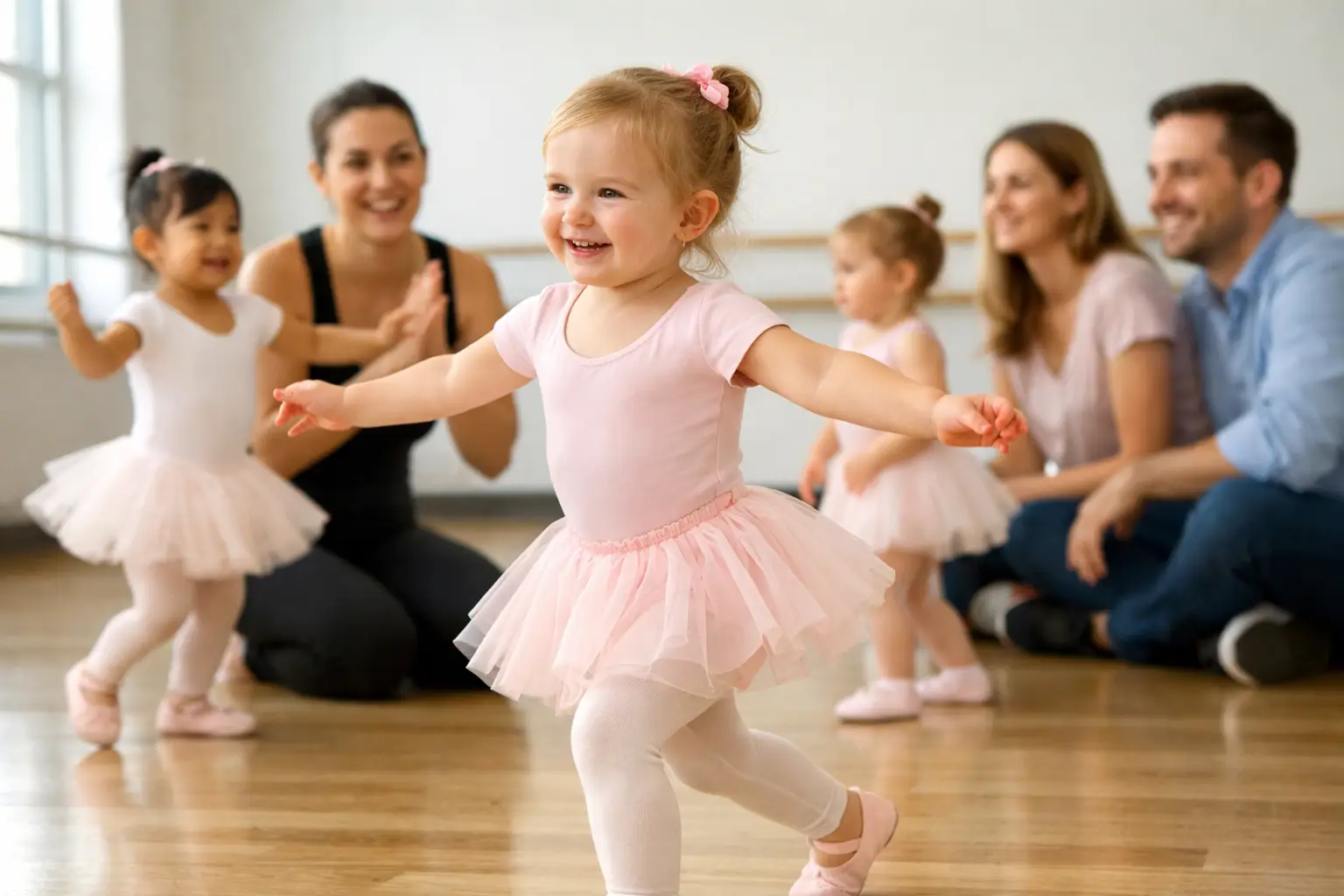
Toddler Dance Classes Abbotsford Parents Trust
A toddler’s first dance class may begin with a wiggle, a hesitant wave from behind your leg, or a determined refusal to wear the sparkly shoes. That is all normal. The best toddler dance classes Abbotsford families choose make room for those early moments while giving children a clear, comforting routine to grow into.
For young children, dance is not about perfect steps or pushing for a performance-ready result on day one. It is a structured place to move, listen, imagine, try again, and feel proud. With the right teacher and age-appropriate class format, toddlers build skills that carry into preschool, kindergarten, and everyday life.
What Toddlers Gain From Dance Class
Toddlers learn through movement. When they march to a beat, reach high, balance on one foot, or follow a simple path across the room, they are developing coordination and body awareness. Those physical skills matter, but the social and emotional growth is often what parents notice first.
A consistent class helps children practice separating from a caregiver, taking turns, listening to another trusted adult, and participating as part of a group. They learn that it is okay to be new at something. They also learn that practice can lead to progress, whether that means remembering a song, joining the circle, or trying a new movement without being asked twice.
Dance can be especially valuable for toddlers who have lots of energy, are still finding words for big feelings, or need a gentle setting to build confidence around other children. Every child responds differently. A naturally outgoing toddler may love being first in line, while a cautious child may spend several weeks observing before joining fully. Both experiences are part of learning.
What to Look for in Toddler Dance Classes in Abbotsford
A toddler program should feel warm and playful, but it should also be thoughtfully organized. Young children thrive when they know what comes next. A familiar welcome song, simple movement activities, a chance to practice a skill, and a predictable closing routine can help a child feel secure from week to week.
Look for instructors who understand early childhood development. Toddlers need clear, simple directions, frequent encouragement, and activities that change before attention drifts. They also need teachers who can respond calmly when a child feels shy, distracted, or overwhelmed. Patience is not an extra in a toddler class. It is part of good instruction.
Class size and supervision matter, too. A supportive studio creates enough structure for children to learn while allowing the teacher to notice individual needs. Parents should feel confident that their child is being guided safely and respectfully, not rushed or compared to others.
It also helps to ask how the program approaches progression. A strong early childhood dance class is not just a weekly playtime. It introduces foundational movement skills in an enjoyable way, then gives children a path into preschool, recreational, or more focused dance classes as they grow.
A Healthy Balance of Fun and Skill Building
There is a difference between a class that keeps toddlers busy and one that helps them develop. The ideal class does both. Children should have opportunities for creative movement and imagination alongside basic dance foundations such as rhythm, posture, spatial awareness, balance, and following musical cues.
At this age, skill building should never feel high-pressure. A toddler does not need to execute a polished routine to benefit from dance. They need repeated opportunities to explore movement with guidance and celebrate small wins. That supportive approach creates a stronger foundation than asking young children to perform beyond their developmental stage.
Is Your Toddler Ready for Dance?
Many parents wonder whether their child needs to be coordinated, independent, or especially enthusiastic about music before enrolling. The short answer is no. Toddlers come to class with a wide range of personalities and abilities. Readiness is less about natural talent and more about whether the class format fits your child’s current stage.
A child may be ready if they enjoy moving to music, show interest in other children, or can participate in short, guided activities. But even those signs are not requirements. Some toddlers begin quietly and become more engaged after they recognize the routine and the teacher.
If your child is under two, a parent-and-tot format can provide a reassuring bridge. Having a familiar adult nearby helps younger children participate while they learn the flow of class. As independence grows, a preschool dance class can offer more opportunities to follow directions, build friendships, and take ownership of their learning.
If your toddler has a difficult day, that does not mean dance is not a fit. Hunger, naps, new environments, and developmental changes can all affect participation. Give a new class a few weeks when possible. Consistency often makes a meaningful difference.
Choosing the Right Commitment Level
For families trying dance for the first time, an eight-week session can be a practical starting point. It gives a child enough time to settle into the routine without asking parents to make a full-season commitment right away. This option can be particularly helpful for toddlers with busy schedules, families new to extracurricular activities, or children who need time to warm up in a group setting.
A full-season program may be the better choice for children who enjoy class and benefit from continuity. Over a longer season, toddlers can become comfortable with their teacher, deepen foundational skills, and take part in age-appropriate performance opportunities when offered. Performing can be exciting, but it should be presented as a positive shared experience, not a test of a young child’s worth or ability.
Consider your family’s rhythm as well. The best program is one you can attend regularly without creating stress around dinner, naps, childcare for siblings, or transportation. A convenient class time often supports success more than an overly ambitious schedule.
Helping Your Toddler Feel Comfortable on the First Day
A little preparation can make the first class feel more familiar. Tell your child where they are going and use simple, positive language: “You will get to move and dance with a teacher and some new friends.” Avoid promising that they will love every minute. Instead, let them know you will help them try something new.
Choose comfortable clothing that allows easy movement and follow the studio’s dress expectations if there are any. Bringing water and arriving a few minutes early can prevent a rushed start. If your child is attending independently, a calm goodbye is usually more helpful than extending the departure. Children often take cues from the adults they trust.
After class, focus on effort instead of asking whether they were the best or whether they learned a certain step. Questions such as “What music did you hear?” or “What was fun to try?” invite conversation without pressure. If they say little, that is okay, too. Toddlers often process new experiences through play later at home.
A Place to Grow, One Small Step at a Time
At Abbotsford Dance Center, early childhood programming is designed to give young dancers a positive beginning with structured instruction, caring encouragement, and room to grow. The goal is not to rush childhood. It is to help each child discover strength, confidence, and belonging through movement.
The right dance class can become a steady bright spot in your toddler’s week: familiar music, a welcoming teacher, new skills, and the quiet pride of doing something independently. Those small steps are worth celebrating, because they often become the beginning of a child who feels comfortable taking the next one.
